
Book Club Discussion Questions
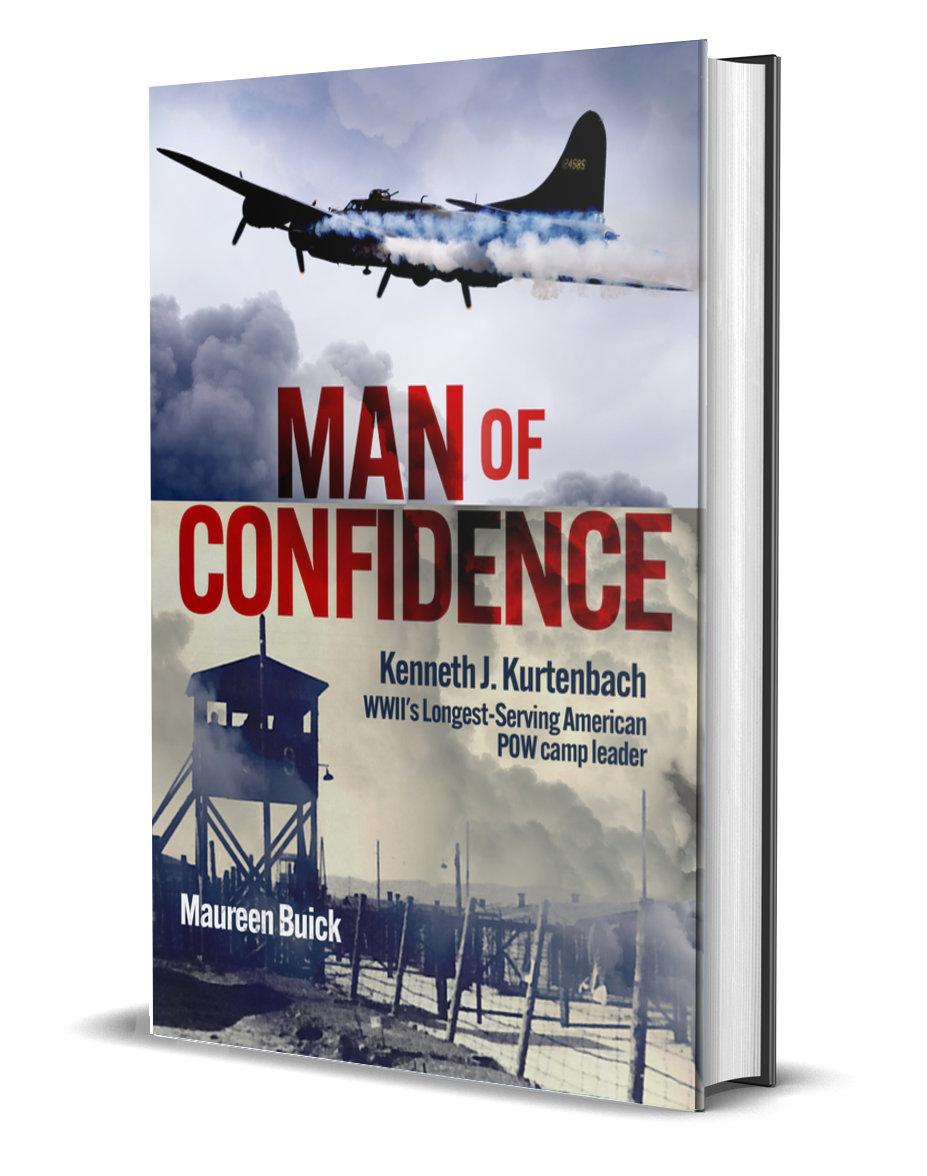
Man of Confidence
Man of Confidence centers on leadership exercised without rank or formal power. How did Kenneth Kurtenbach’s role challenge your assumptions about what leadership looks like in extreme circumstances?
Kurtenbach was elected by his fellow prisoners as “Man of Confidence.” What qualities do you think earned him that trust, and why was trust so essential to survival in captivity?
The book portrays life in German prisoner-of-war camps over several years. Which moments best illustrate the psychological and moral challenges faced by prisoners beyond the physical hardships?
How did Kurtenbach’s responsibilities as Man of Confidence place him in difficult or ethically complex situations? Were there moments when no choice felt entirely right?
The role required interaction with German authorities and neutral intermediaries under the Geneva Convention. How did these negotiations shape daily life in the camp, and what did they reveal about power and vulnerability?
In what ways does the book redefine courage—not as dramatic heroics but as endurance, restraint, and moral steadiness?
Man of Confidence explores the patriotism behind barbed wire. How did prisoners maintain a sense of identity and purpose while stripped of freedom and certainty?
The book traces Kurtenbach’s experience from capture to liberation and return home. How did the prolonged captivity affect your understanding of what “survival” truly meant?
How does this biography deepen or complicate common narratives about World War II, particularly those emphasizing combat over captivity?
After reading Man of Confidence, what do you consider the book’s most enduring insight into leadership under extreme pressure—and why does it still matter today?
What parallels can you draw between the leadership challenges described in the book and those faced in modern military, civic, or professional settings?
How did learning about the historical role of the Man of Confidence change your perspective on POW camps and the men who endured them?
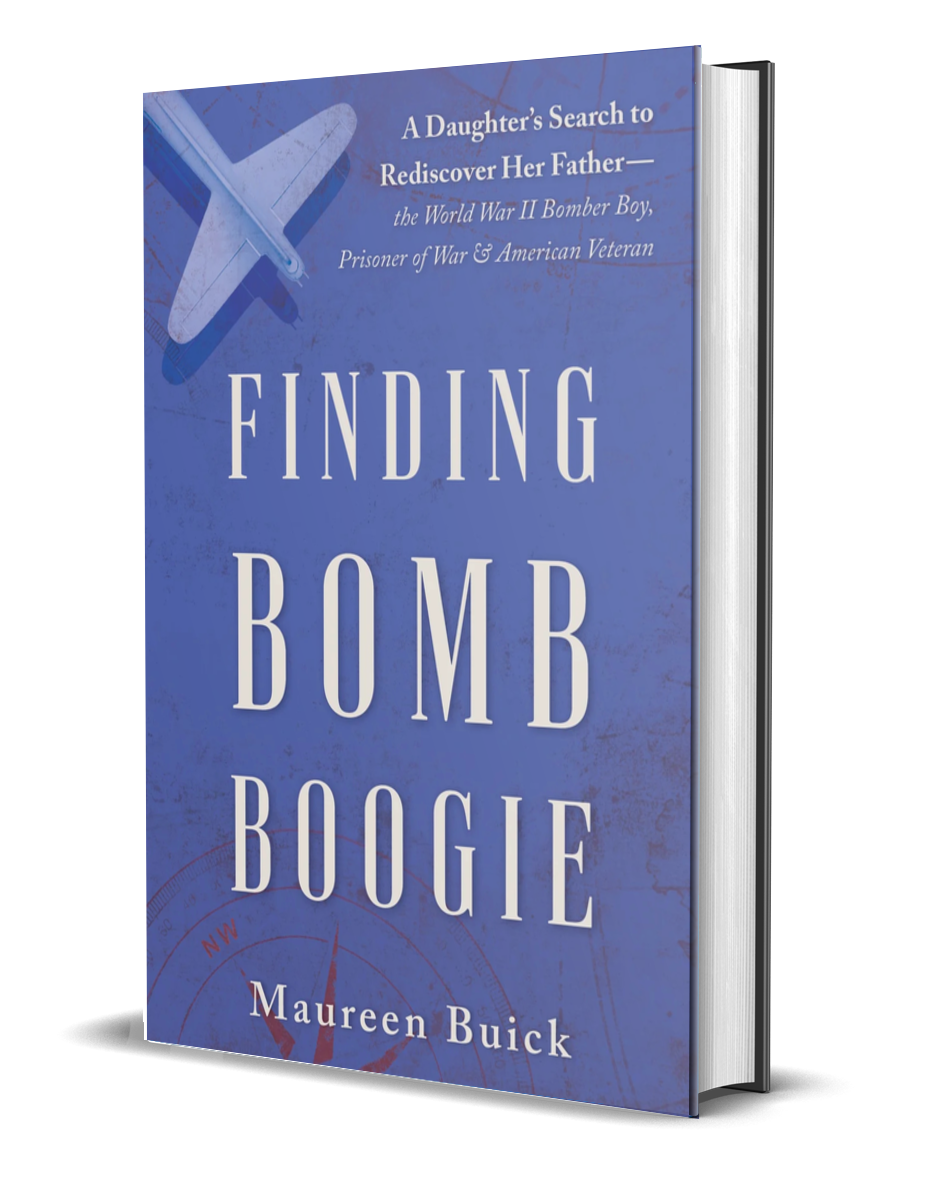
Finding Bomb Boogie
Finding Bomb Boogie blends personal memoir with historical research. How did this blend shape your reading experience compared with other World War II nonfiction that you have read?
The author begins her research long after her father’s death. How did that distance in time affect the way the story unfolded, and what did it add to the narrative?
How did learning about the author’s father, as a young airman and prisoner of war, change your understanding of him as a parent and as a person?
Many veterans returned home without speaking openly about their wartime experiences. How does this book examine the impact of silence—on both veterans and their families?
What moments in the book surprised you most, either historically or emotionally?
The story highlights the long arc of war—from enlistment and combat to captivity and life after returning. Which part of that journey resonated with you most, and why?
Finding Bomb Boogie underscores the importance of preserving veterans’ stories. Did the book prompt you to reflect differently on your own family history or on stories that may still be untold?
The author shares both successes and frustrations encountered during her research. How did these challenges deepen your appreciation for the process of uncovering historical truth?
How do you think younger generations respond to stories like this? Why do these histories still matter today?
After reading Finding Bomb Boogie, what do you think is the book’s most enduring message—for individuals, families, or future generations?
OPTIONAL CLOSING QUESTION
What questions would you ask your own veteran—or a family member—if you had the chance? What steps might you take to preserve those stories?
